
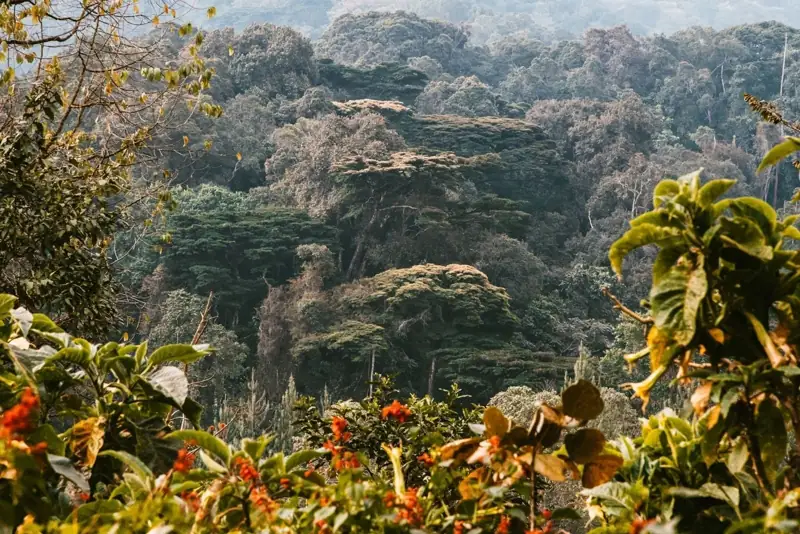
 Most families
Rushaga
Southern Bwindi, with the most habituated families and the only habituation experience. Closest sector to Kigali.
Everything you need to plan a mountain gorilla trek in Uganda: how a trek day works, permits, sectors, fitness, rules, what to pack and how it compares with the four-hour habituation experience.
In short: gorilla trekking is a guided walk into the forest to spend one hour with a fully habituated mountain gorilla family. In Uganda it costs US$800 per person for foreign non-residents and runs in all four sectors of Bwindi Impenetrable National Park and in Mgahinga Gorilla National Park.
Mountain gorillas live in only two places on earth: Bwindi in southwest Uganda, and the Virunga volcanoes shared by Uganda, Rwanda and the Democratic Republic of Congo. Uganda is home to close to half of the world’s roughly one thousand mountain gorillas, and has more families open to visitors than anywhere else.
On a trek you join a small group of up to eight visitors with a ranger guide. Trackers set off earlier to find the family, starting from where the gorillas nested the night before, and radio their position to your ranger. Once you reach the family, the one-hour clock starts. The walk before that does not count against your time.
For most visitors that hour is one of the most powerful wildlife experiences of their lives. If you want longer, Uganda is also the only country offering the Gorilla Habituation Experience, with up to four hours alongside a family still being habituated.
An early breakfast at your lodge and a drive to your sector’s park office, with a packed lunch.
Passport and permit check, a briefing from the Uganda Wildlife Authority, and assignment to a gorilla family.
Walk with your ranger, porters and an armed escort, following the trackers’ directions. It can take from 30 minutes to several hours.
Watch feeding, grooming and play from at least 7 metres, wearing a face mask.
Return to the park office for your trekking certificate, then back to the lodge.
Set by the Uganda Wildlife Authority. Every operator pays the same rate.
| Permit | Foreign non-resident | Time with gorillas | Group size |
|---|---|---|---|
| Standard gorilla trekking | US$800 | 1 hour | Max 8 |
| Gorilla Habituation Experience | US$1,500 | Up to 4 hours | Max 4 |
Foreign residents and East African citizens pay lower rates. Permits must be paid in full to be issued and are non-refundable. The Uganda Wildlife Authority sometimes offers low-season rates; we confirm what applies to your date.
Your permit is issued for a specific sector, so choose your lodge in the same area.
Most familiesSouthern Bwindi, with the most habituated families and the only habituation experience. Closest sector to Kigali.
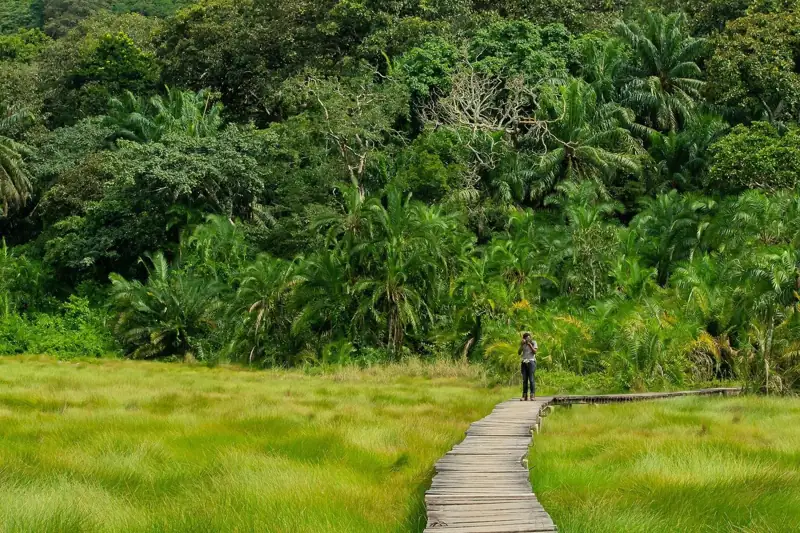 Most lodges
Northern Bwindi, where gorilla tourism began. Often gentler terrain and the widest choice of lodges.
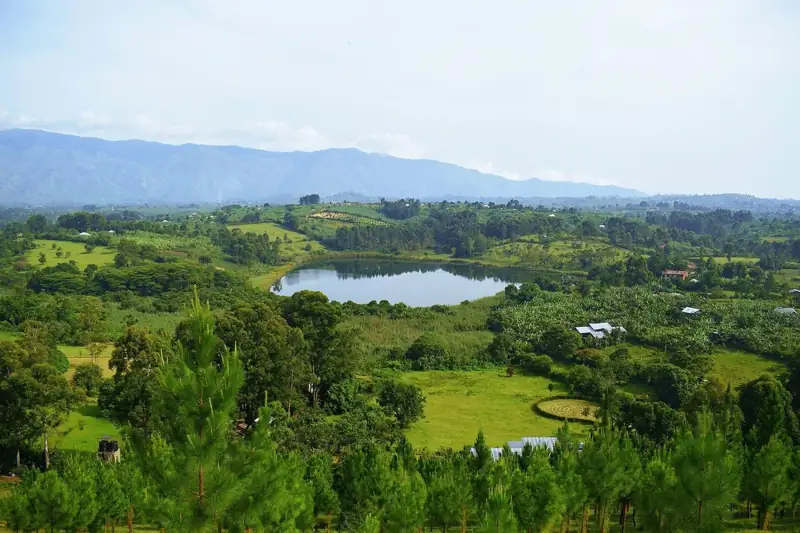 Highest
Eastern Bwindi at around 2,300 metres. Cooler, quieter and the best sector for birding.
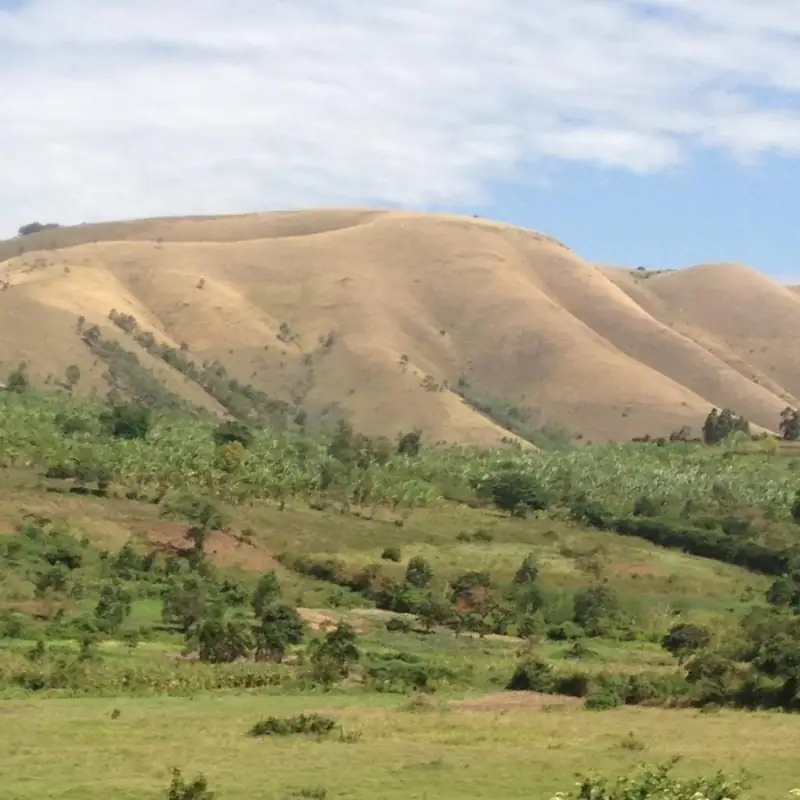 Steepest
Southwest Bwindi on a high ridge with Virunga views. The most demanding treks and the fewest visitors.
Gorilla trekking also runs in Mgahinga Gorilla National Park with the Nyakagezi family. Compare all sectors in our Bwindi sectors guide.
Pick two or three possible dates and decide whether you want a standard trek, habituation or both.
We check permits with the Uganda Wildlife Authority for each date and sector, usually within one working day.
Permits are paid in full to be issued, in the names on your passports. They are non-refundable once issued.
We book lodges in the same sector, transport and any other activities, then send you a copy of the permit.
Your ranger will ask the group to leave bags and walking sticks with the porters a short distance from the family, put on masks and move in quietly. The first sight is often a dark shape in the vegetation, then a juvenile tumbling out of a bush or a silverback sitting with his back to you, stripping leaves from a stem.
Gorillas may move during your hour, and you follow at a respectful distance. Occasionally a curious youngster comes closer than 7 metres; stay still and let the ranger guide you. If the silverback grunts or beats his chest, crouch, look down and stay calm. Rangers read gorilla behaviour expertly, and the habituated families are used to visitors.
When the hour is up, the ranger leads you away. Most people walk out in near silence, still taking it in.
Flash is not allowed. Switch off focus-assist lights and camera sounds too.
The forest floor is dark. A higher ISO and a wide aperture beat a blurry photo.
Something in the 24–105 mm or 70–200 mm range covers most situations at 7 metres.
Dark fur against bright leaves fools meters. Expose for the gorilla’s face.
Carry a dry bag; rain can arrive without warning.
Spend part of your hour just watching. Many guests say it is what they remember most.
Porters are hired at the trailhead for a set fee of around US$20 per trek, paid in cash. Many are from families living next to the park, and the porter scheme is one of the most direct ways tourism income reaches local people.
It is customary to tip your ranger and trackers at the end of the trek, and your driver-guide at the end of the trip. Carry small, recent US dollar notes or Ugandan shillings. Our gorilla trip cost guide has typical amounts.
Bwindi is steep. Its altitude ranges from around 1,160 to over 2,600 metres, trails are often muddy and some treks leave the path through dense vegetation. A trek can last anything from an hour to most of the day, depending on where your family is.
You do not need to be an athlete, but you should be comfortable walking for several hours on uneven, hilly ground with breaks. Rangers set a steady pace and stop as often as the group needs. Mention any concerns at the briefing, as rangers may assign a family that is closer to the park office.
The rules protect a small, endangered population from disease and stress.
Applies to every gorilla permit in Uganda.
Stay at least 7 metres from the gorillas and follow your ranger.
Gorillas catch human respiratory infections, so masks are worn near the family.
Anyone with a cold, flu or other illness may not visit.
Flash photography is not allowed. Keep voices low and movements slow.
Visits are limited to one hour to keep stress on the family low.
Our full gorilla trekking and habituation packing list covers everything, including what to leave at the lodge.
| Standard trekking | Habituation Experience | |
|---|---|---|
| Time with gorillas | 1 hour | Up to 4 hours |
| Group size | Max 8 | Max 4 |
| Permit | US$800 | US$1,500 |
| Where | All Bwindi sectors and Mgahinga | Rushaga only |
| Family | Fully habituated | Still being habituated |
| Best for | First-time visitors | Repeat visitors, photographers |
Read the full comparison: habituation vs. trekking, how to decide.
Gorilla trekking runs every day of the year. The dry seasons, June to September and December to February, bring firmer trails and are the busiest months, so permits sell out first. The rainy seasons of March to May and October to November are muddier but quieter, with easier permit availability. See our best time to visit Bwindi guide.
A standard permit costs US$800 per person for foreign non-residents. Add lodges, transport, flights and tips for the total trip cost.
Anything from under an hour to most of the day to reach the family, then one hour with the gorillas.
Yes. Habituated gorillas are used to people, rangers lead every group and armed escorts accompany treks as a standard precaution.
Buhoma and Rushaga are both good choices. Rushaga lets you add habituation; Buhoma has the most lodges.
Yes, with a separate permit for each trek. Many guests combine habituation with a standard trek on another day.
You choose the sector. The Uganda Wildlife Authority assigns the family on the morning.
Most first-time visitors find it intense and complete. Those who want more time book the habituation experience.
Send your dates and we will check trekking and habituation permits together.
+256 716 068 279Check Availability