Home/ Gorilla Families

Meet the Gorilla Families of Bwindi

Thirteen named families across four sectors, each with its own history, personality and terrain. Two of them — in Rushaga — are currently open to the Gorilla Habituation Experience.

Rushaga Sector

Home to both of Bwindi’s Gorilla Habituation Experience families. See the full Rushaga Sector Guide.

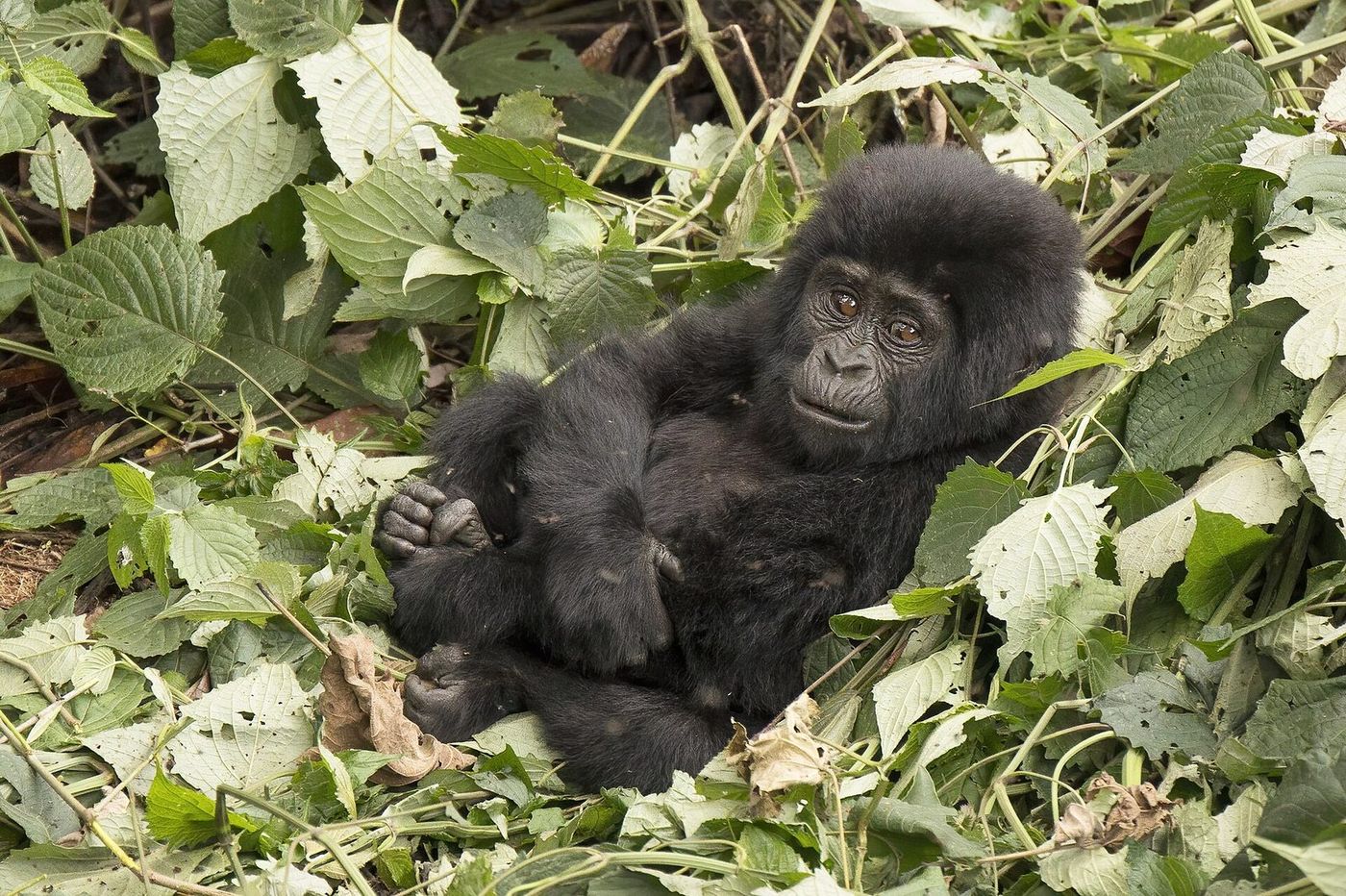
Placeholder image: Bikingi gorilla familyHabituation Family

Bikingi Group

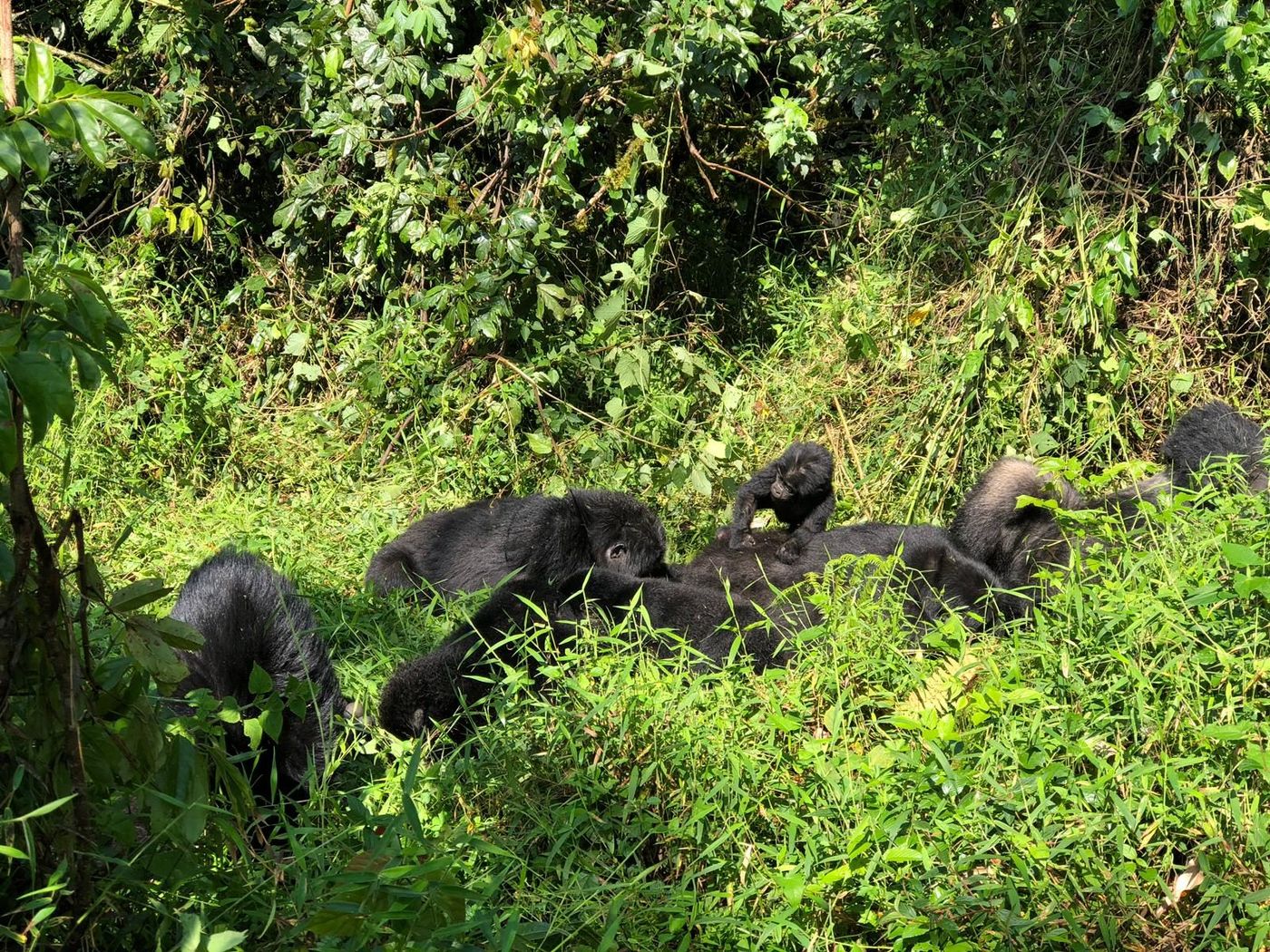
Around a dozen members, and one of two families currently open to the Habituation Experience. Still visited daily by the research team, who are refining the family’s comfort with slightly larger, longer-duration groups than a standard trek.
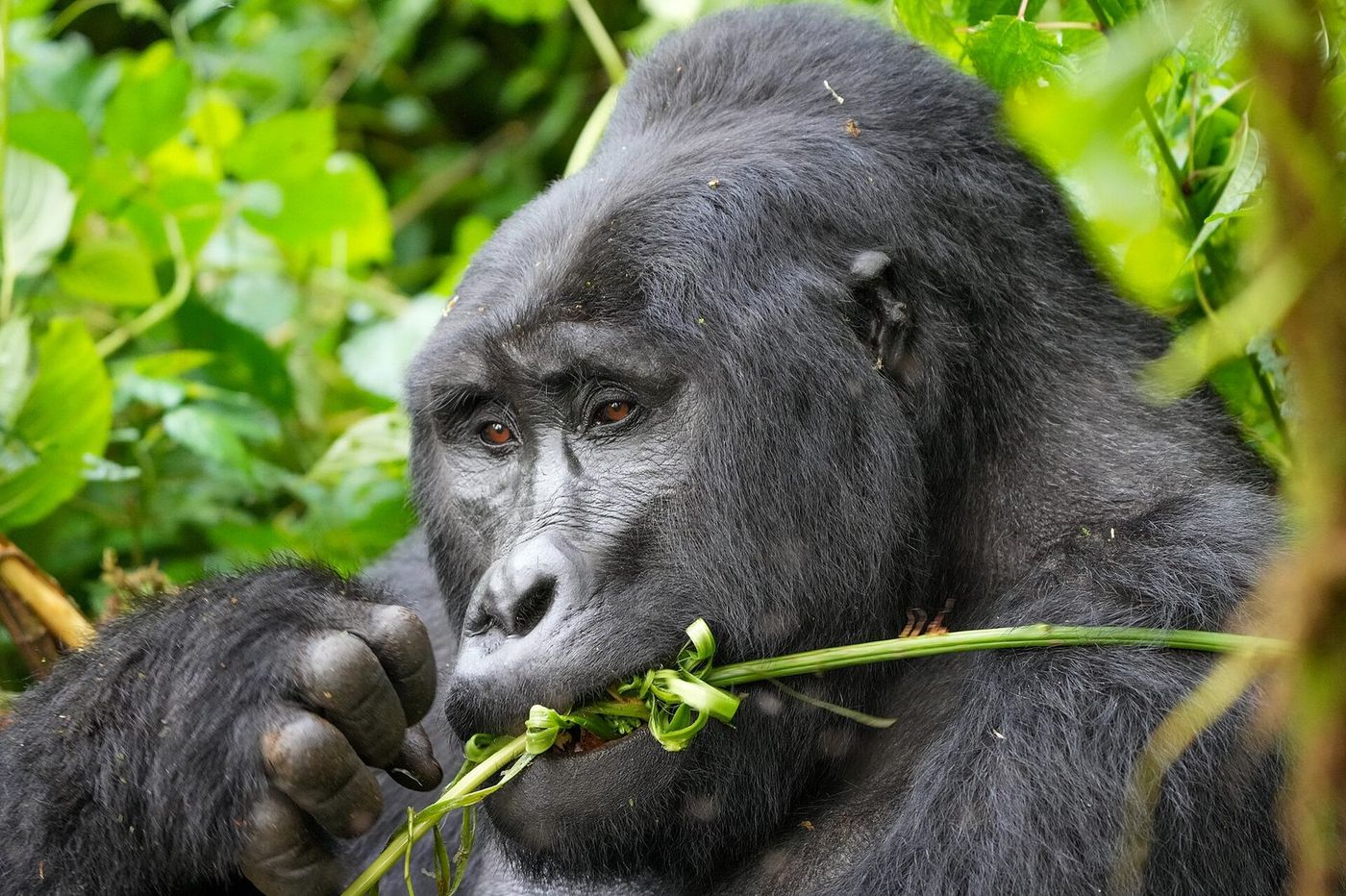
Placeholder image: Kahungye gorilla familyHabituation Family

Kahungye Group

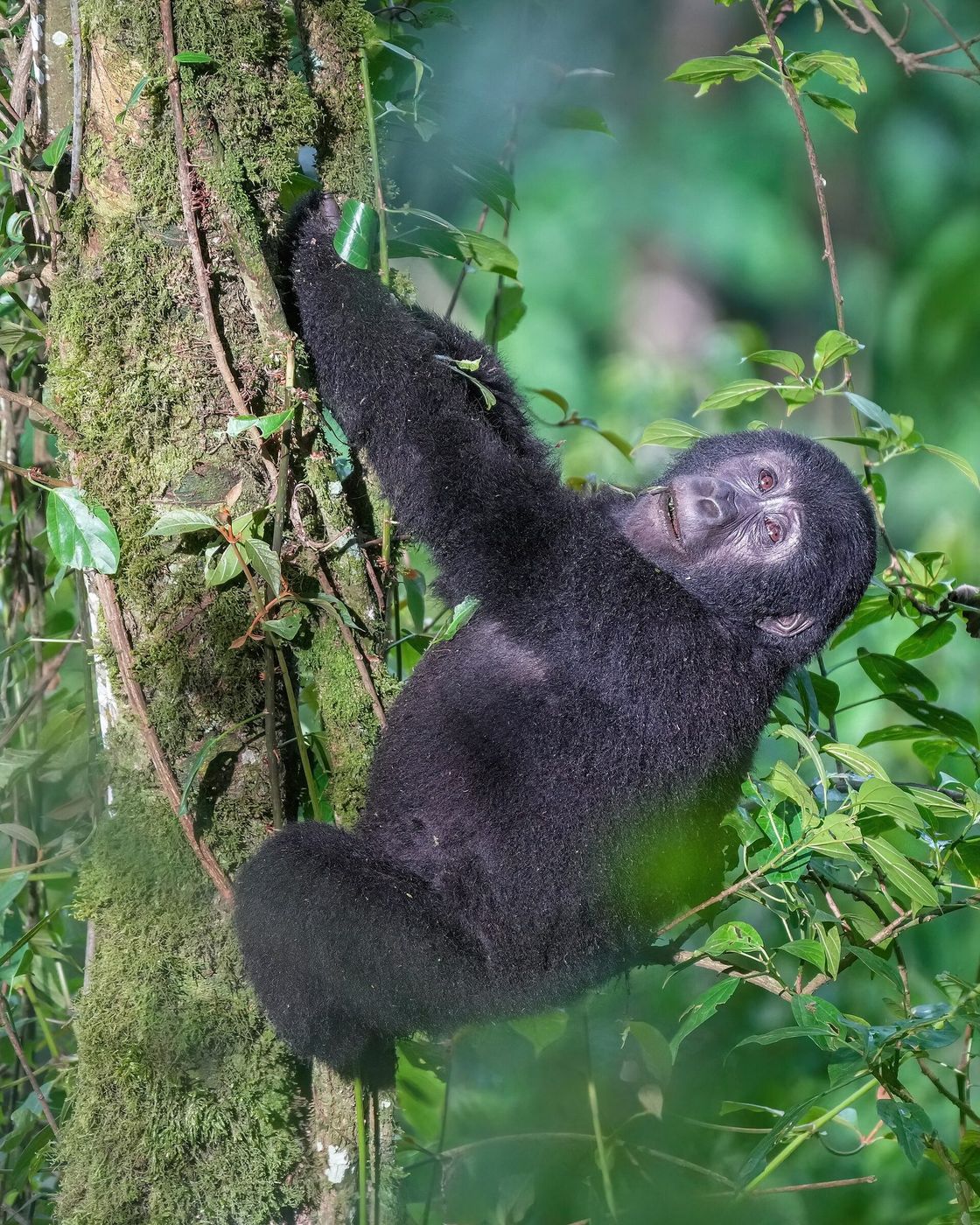
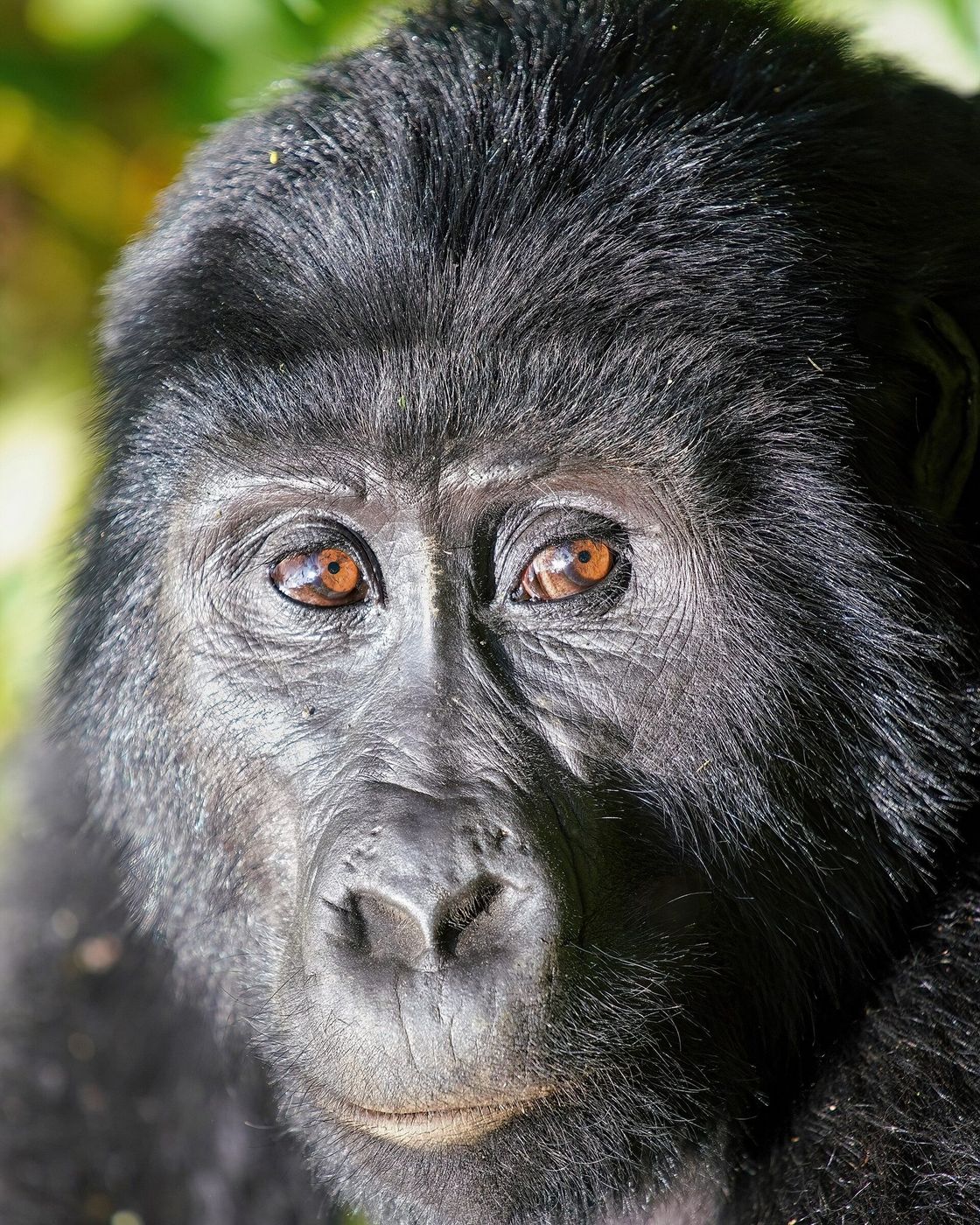
The second Habituation Experience family, generally ranging deeper into the forest than Bikingi. Expect a longer trek in, often rewarded with more solitude during the four-hour observation window.

Placeholder image: Nshongi gorilla family

Nshongi Group

One of the largest habituated families in Uganda’s history, notable for having included multiple silverbacks in its structure — a good indicator of the complex social dynamics gorilla families can have.

Placeholder image: Mishaya gorilla family

Mishaya Group

Split off from a larger family and led by a notably assertive silverback. A popular pick for repeat trekkers who’ve seen a calmer family before and want a livelier encounter.

Buhoma Sector

See the full Buhoma Sector Guide.

Placeholder image: Mubare gorilla family

Mubare Group

Uganda’s very first habituated gorilla family, opened to visitors in the 1990s. Smaller in number today, but historically the starting point of Uganda’s entire gorilla tourism industry.

Placeholder image: Habinyanja gorilla family

Habinyanja Group

Named after a nearby swamp — “place of water” in the local language. This family’s home range tends toward gentler terrain, often recommended for trekkers less confident about steep hikes.

Placeholder image: Rushegura gorilla family

Rushegura Group

Split from Habinyanja years ago and frequently found close to Buhoma park headquarters — on a good day, one of the shortest treks anywhere in Bwindi.

Ruhija Sector

See the full Ruhija Sector Guide.

Placeholder image: Bitukura gorilla family

Bitukura Group

Named after the nearby river where they were first encountered. A calm, cohesive family often suggested for first-time trekkers.

Placeholder image: Oruzogo gorilla family

Oruzogo Group

Known for an unusually high number of juveniles and infants, which tends to make for lively, playful sightings.

Placeholder image: Kyaguriro gorilla familyResearch Only

Kyaguriro Group

Not generally open to tourism. The subject of one of Uganda’s longest-running gorilla research programs, coordinated with the nearby Institute of Tropical Forest Conservation.

Nkuringo Sector

See the full Nkuringo Sector Guide.

Placeholder image: Nkuringo gorilla family

Nkuringo Group

The founding family of the sector, habituated for well over a decade. Their home range regularly rewards trekkers with views toward the Virunga volcanoes.

Placeholder image: Bushaho gorilla family

Bushaho Group

Splintered from the Nkuringo group and typically ranges closer to the ridge — often a shorter but steeper trek than visiting the founding family.

Placeholder image: Christmas gorilla family

Christmas Group

One of the more recently opened families in the sector, still building its visitor track record. Guides sometimes recommend it to spread trekking demand more evenly across Nkuringo’s families.

How Family Assignment Actually Works

Understanding this up front avoids disappointment on the morning of your trek.

🏠

Park HQ, Not Us

Rangers assign families each morning at the sector’s park headquarters, based on recent sightings, group fitness levels, and permit type.

👍

Requests Are Noted

We pass on any family preference in advance, and it’s considered — but it’s never guaranteed, especially for habituation’s two designated families.

📈

Fitness Plays a Role

Rangers sometimes match less-fit groups to closer-ranging families where possible — mentioning any concerns beforehand helps this happen.

Family FAQs

Ready to Meet a Family in Person?

Talk to a Specialist