
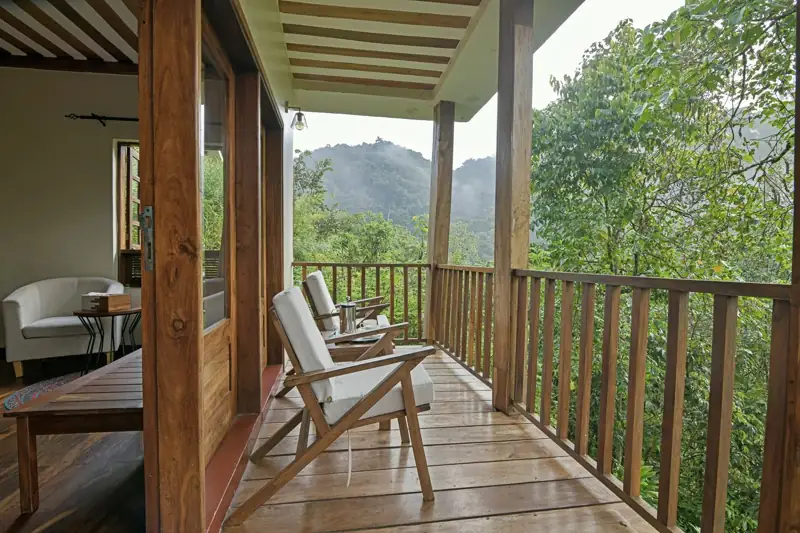
 5 days
5-Day Gorilla Habituation Immersion
The focused trip: two nights in Rushaga either side of your habituation day, with time to rest and walk the forest edge.
Spend up to four hours with a mountain gorilla family that is still learning to accept people, alongside the trackers and researchers who visit it every day. We plan habituation safaris in Rushaga, the only sector of Bwindi Impenetrable National Park where it runs.
Permits are issued by the Uganda Wildlife Authority and sell out months ahead in the dry seasons.
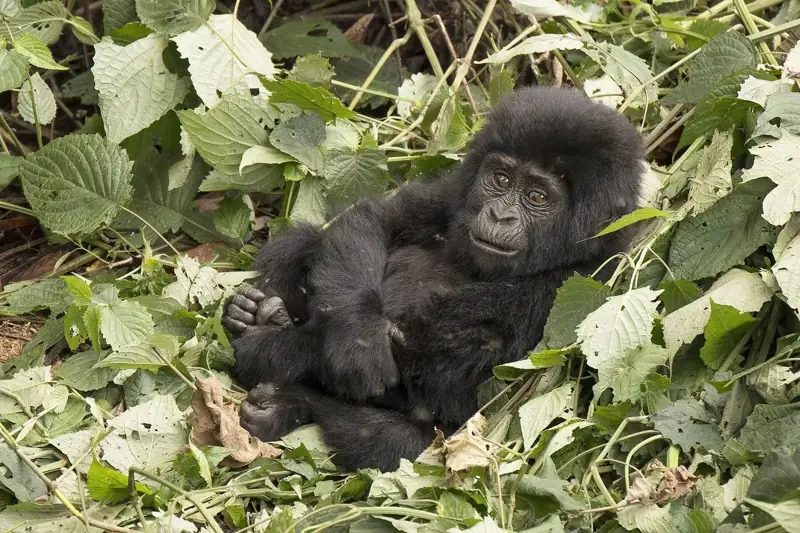
In short: the Gorilla Habituation Experience is a full morning in the forest with a mountain gorilla family that researchers are still accustoming to humans. You get up to four hours with the gorillas instead of the one hour allowed on a standard trek, in a group of no more than four visitors.
Every gorilla family that tourists visit today was once wild and wary of people. Turning a family into one that tolerates quiet observers takes two to three years of near-daily contact: trackers find the group each morning, sit with it a little longer and a little closer each week, and record how each individual reacts.
Habituation opens that work to a handful of visitors. You leave with the trackers, follow the trail from where the family nested the night before, and once you reach the gorillas you stay with them while the team records behaviour and checks on individuals. You see feeding, grooming, play and the silverback’s decisions about where the group moves next, rather than a short visit to a family that has long stopped reacting to people.
In Uganda, habituation is offered only in the Rushaga sector in the south of Bwindi, close to the Rwandan border. Two families are open to visitors, Bikingi and Bushaho, and each takes four people a day. That makes eight places a day across the whole country.
Both put you face to face with mountain gorillas. The difference is how long you stay, who you walk with and how many other people are there.
Best for: photographers, repeat visitors and anyone who wants to watch gorilla behaviour unfold.
Permit Price & AvailabilityBest for: first-time visitors, families with teenagers and shorter trips.
Gorilla Trekking GuidePermit prices are set by the Uganda Wildlife Authority and can change. We confirm the current rate when we book your permit. All gorilla permits are non-refundable once issued.
A habituation permit costs US$1,500 per person for foreign non-residents. Foreign residents and East African citizens pay lower rates. The permit covers your park entry for the day, the ranger guide and the time with the family. It does not include transport, accommodation or porters.
Because only eight places exist each day, availability is the real constraint, not price. For the June to September and December to February dry seasons we recommend booking four to six months ahead. In the wetter months of March to May and October to November you can sometimes secure a permit with a few weeks’ notice.
Permits are issued in the visitor’s name and date. They are non-refundable and cannot be moved to another person, so we hold off on buying until your travel dates are firm and you have checked that everyone meets the minimum age of 15.
The permit is usually the largest single cost of the trip, but not the only one. Lodges, a driver-guide or domestic flights, park transfers and tips typically add more. Our gorilla trip cost guide works through a full budget line by line.
What you pay us for: we buy the permit directly from the Uganda Wildlife Authority in your name, plan the days around it, book your lodges and transport, and stay in contact with the Rushaga team on the day. You receive a copy of the permit before you travel.
Times shift with the weather and with where the family slept, but most days follow this pattern.
An early breakfast at your lodge, then a short drive to the Rushaga park office with your packed lunch.
Registration and a briefing from the Uganda Wildlife Authority on the rules, the family you are visiting and what the team will be doing that day.
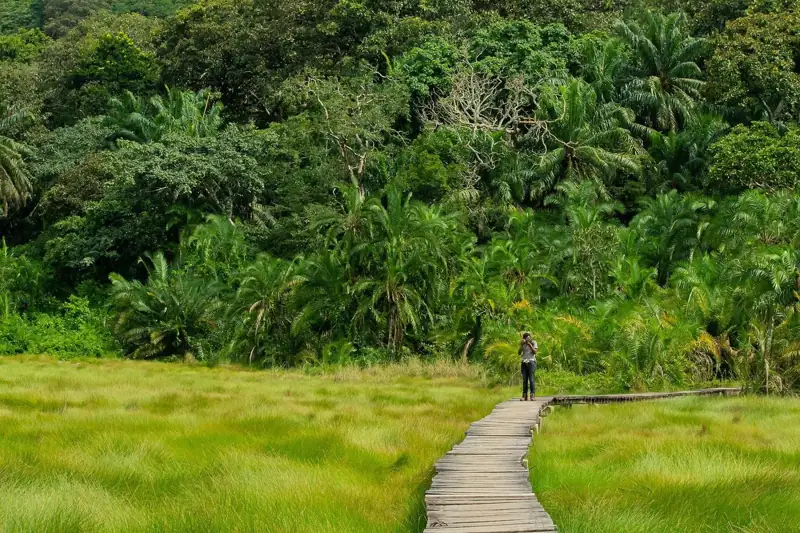
You set off with the trackers, who pick up the trail from the previous night’s nests. The walk can take from one to several hours over steep, muddy ground.
Once the gorillas are found you stay with them, moving when they move, while the researchers record behaviour around you.
You walk back to the trailhead, collect your certificate at the park office and return to the lodge.
Bwindi earns the name “impenetrable”. Trails are steep and often slippery, and a habituation day can mean five to eight hours on your feet in total. You do not need to be an athlete, but you should be comfortable walking for several hours on uneven ground with breaks. A porter, hired at the trailhead, carries your bag and gives a hand on the steep sections, and the fee goes straight to a local family.
Every package is built around a confirmed habituation permit. Use them as a starting point and we will adjust the days, lodges and pace to suit you.
5 days
The focused trip: two nights in Rushaga either side of your habituation day, with time to rest and walk the forest edge.
 6 days
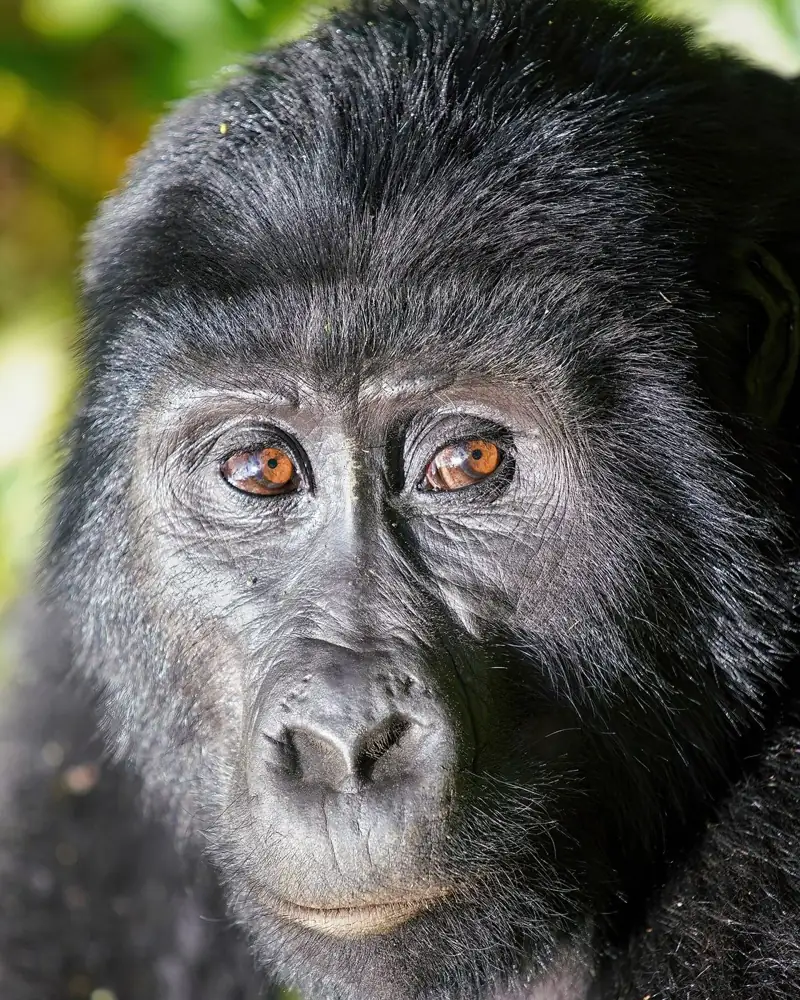
Habituation plus a Batwa cultural visit, a village walk in Rubuguri and a canoe trip on Lake Mutanda.
 7 days
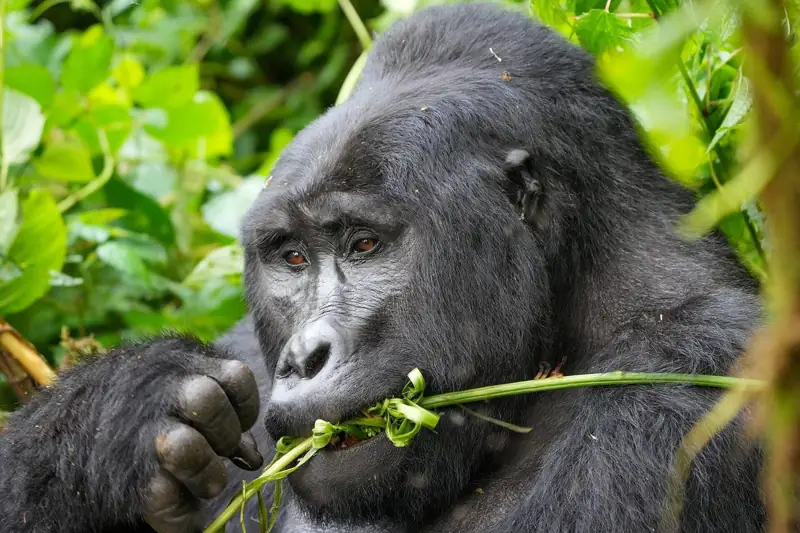
Two gorilla encounters and golden monkeys, with timing and lodge choices planned around forest light.
 8 days
A habituation day and a standard trek with a second family, a rest day between, and Lake Bunyonyi to finish.
 9 days
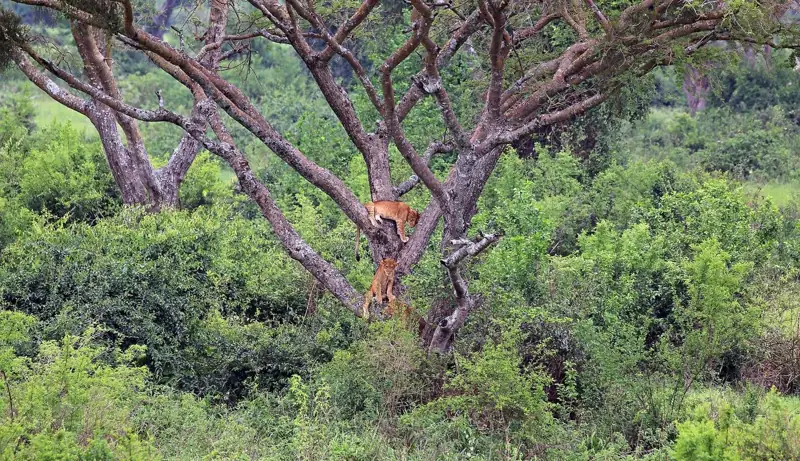
Gorillas plus the tree-climbing lions of Ishasha, game drives at Kasenyi and a Kazinga Channel boat cruise.
 5 days
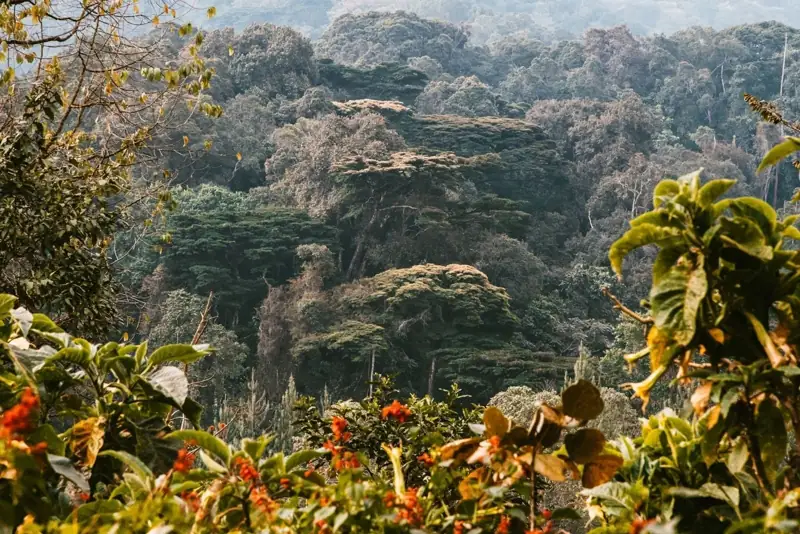
Fly in to Kisoro, stay in a suite and, if you want the family to yourselves, buy all four permits for the day.
Short on time? Try the 3-day habituation safari from Kigali, the 4-day habituation safari by road or the 4-day fly-in safari. Want more primates? See habituation with golden monkeys, gorillas and chimpanzees or our Uganda and Rwanda gorilla safari.
Your habituation day starts early, so we place you close to the Rushaga park office. These are the lodges we use most.
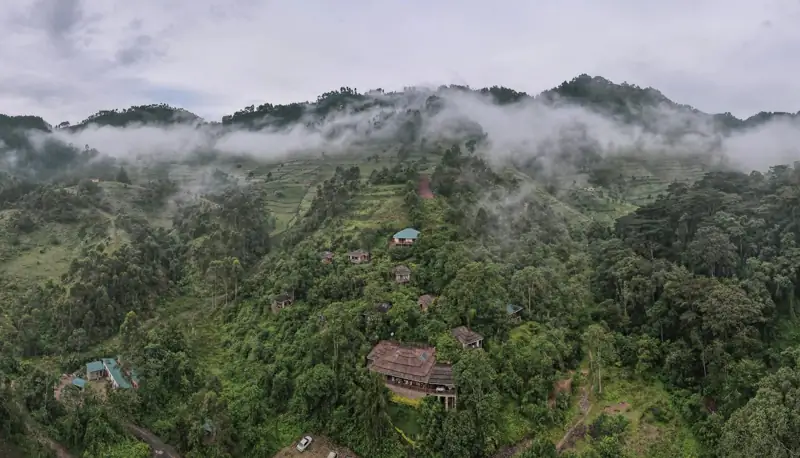
Cottages on a ridge facing the Bwindi forest, each with its own veranda, and a main lodge with a fireplace for cold evenings.
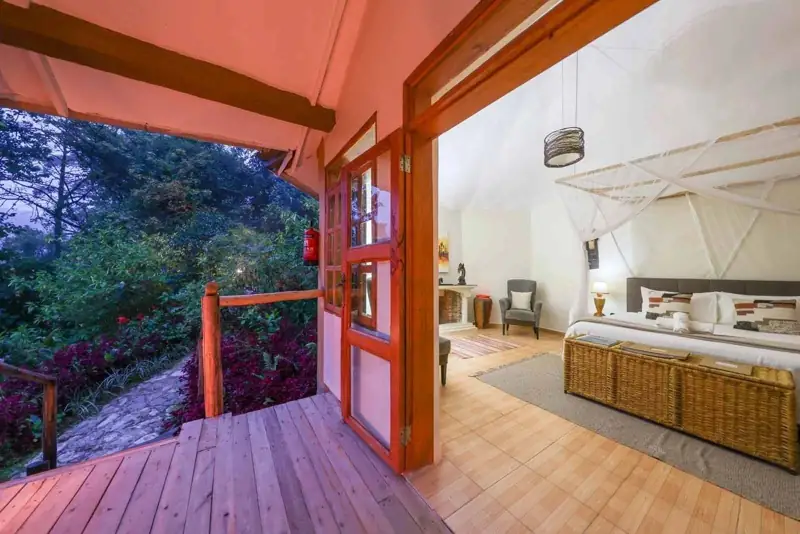
Forest cottages and suites with fireplaces and private decks, a short drive from the Rushaga trailhead.
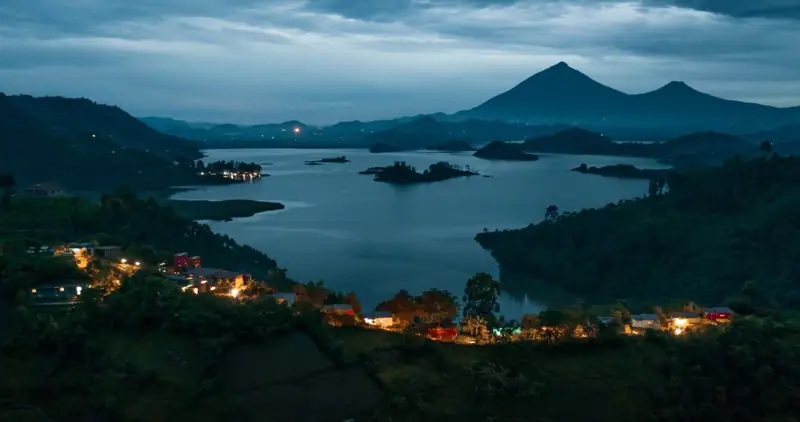
Colourful chalets above Lake Mutanda with views of the Virunga volcanoes, an easy base for Rushaga and Mgahinga.
Rushaga is in the far southwest of Uganda, which gives you three realistic ways to reach it.
Most nationalities need a visa for Uganda, and the East Africa Tourist Visa covers Uganda, Rwanda and Kenya together. See our Uganda visa guide before you book flights.
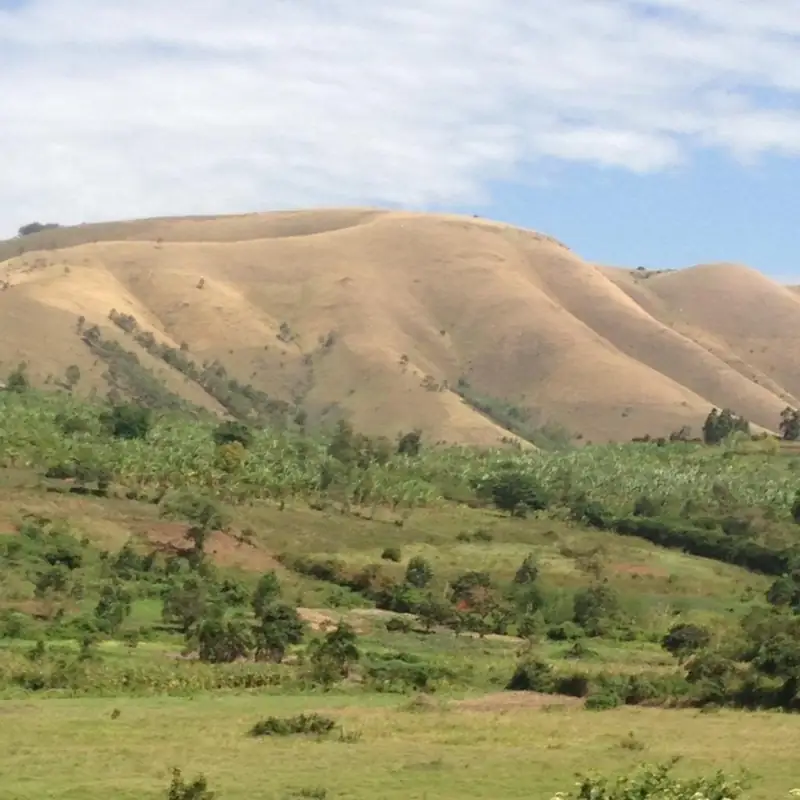
Habituation runs every day of the year. The main dry seasons, June to September and December to February, bring firmer trails and are the most popular months, so permits go first. The rainy months of March to May and October to November are muddier and wetter, but the forest is lush, lodges are quieter and permits are easier to find.
Rain in Bwindi usually arrives in heavy afternoon showers rather than all-day downpours, and the gorillas are just as active. Whatever the month, pack waterproofs, broken-in hiking boots and gardening gloves for gripping vegetation on the steep sections.
Rushaga sits close to some of Uganda’s best wildlife experiences, so it is easy to combine habituation with more.
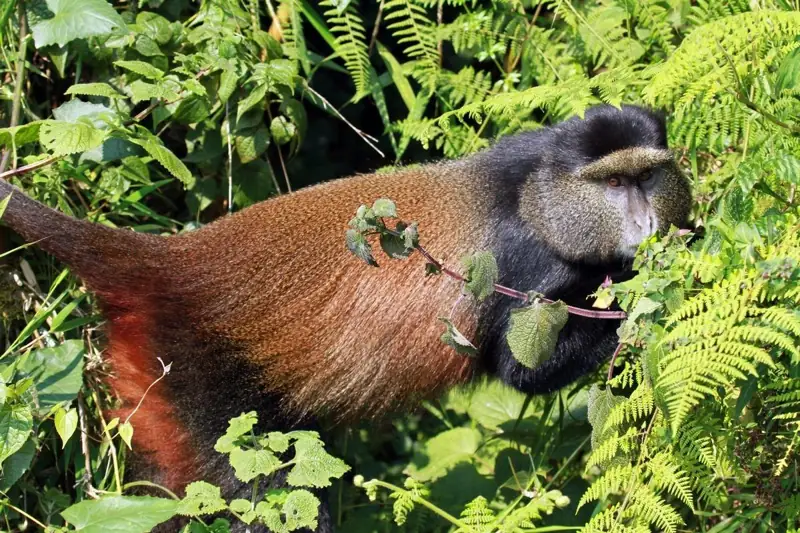
Bamboo forest on the slopes of the Virungas, about an hour from Rushaga.
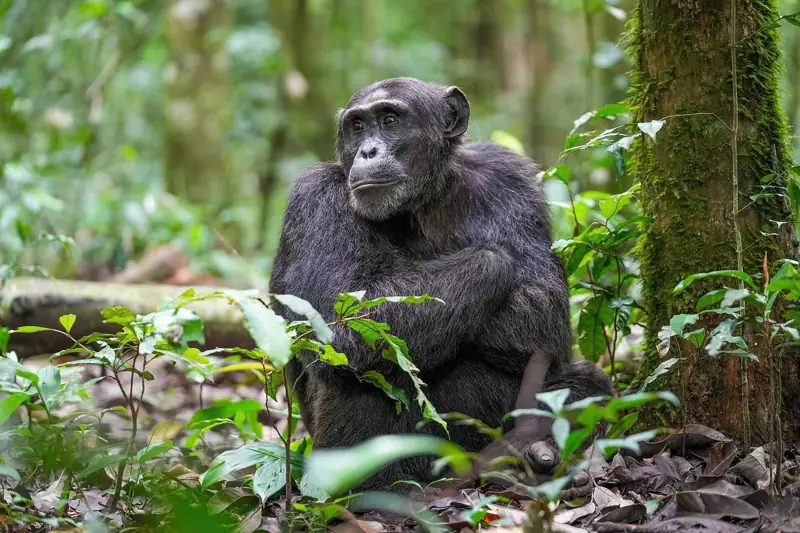
Uganda’s best forest for chimpanzees, an easy pairing with the gorillas.
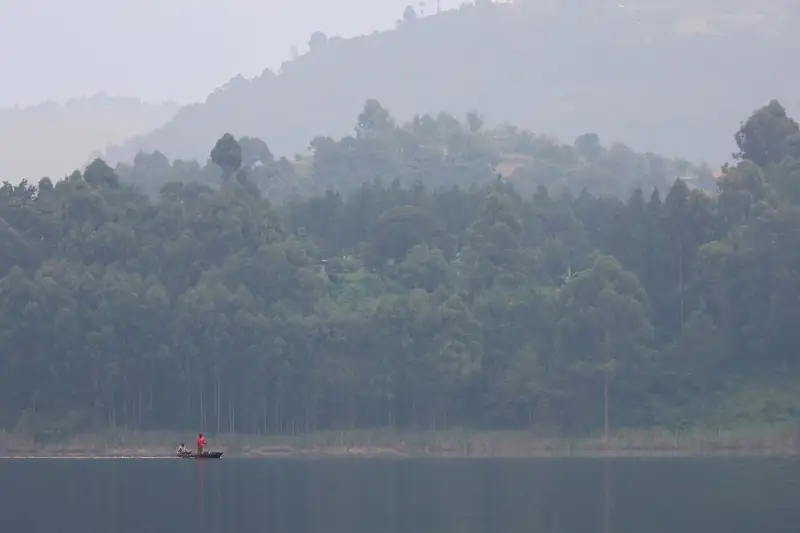
Island-dotted lake and terraced hills, perfect for a quiet day after the forest.
Share your travel window, group size and the kind of trip you want.
We confirm habituation availability with the Uganda Wildlife Authority for your dates.
Once you approve the itinerary and pay the deposit, we buy the permit in your name.
We handle lodges, transport and timings, and stay in touch while you are in Uganda.
Detailed guides to the questions guests ask most before they book.
A gorilla habituation permit costs US$1,500 per person for foreign non-residents, set by the Uganda Wildlife Authority. Foreign residents and East African citizens pay less. Prices can change, so we confirm the current rate when we book.
Only in the Rushaga sector of Bwindi Impenetrable National Park, in southwest Uganda. Two families, Bikingi and Bushaho, are open for habituation visits.
Up to four hours once the family has been found, compared with one hour on a standard gorilla trek. Add the walk in and out, and the whole day can run to five to eight hours.
Only eight habituation places are available each day in Uganda. For the June to September and December to February dry seasons, book four to six months ahead. In the rainy months, a few weeks’ notice is sometimes enough.
It is different rather than better. Trekking suits most first-time visitors: it is shorter, cheaper and easier to book. Habituation suits travellers who want more time, a smaller group and a closer look at how researchers work with a family.
Visitors must be at least 15 years old. This applies to all gorilla permits in Uganda.
No. Gorilla permits are non-refundable once issued and cannot be transferred to another person, which is why we only buy them once your dates are confirmed. Travel insurance that covers cancellation is strongly recommended.
Yes. Our Double Family Experience pairs a habituation day with a standard trek to a different family, with a rest day between the two.
Tell us your dates and we will check permit availability with the Uganda Wildlife Authority, usually within one working day.
+256 716 068 279 Check Availability