- June–September and December–February are driest but book out 6–12 months ahead for habituation.
- March–May and October–November are wetter but far easier for last-minute permit availability.
- Bwindi is trekkable year-round — the real trade-off is trail conditions versus booking flexibility.
Bwindi is trekkable year-round, but conditions and demand shift enough through the year that timing is worth thinking about — especially for habituation permits, which are limited to begin with.
June – September: Peak Dry Season
The most popular window, with the driest trails and the clearest skies for photography. It’s also the busiest, and habituation permits for these months are typically fully booked 6–12 months in advance.
December – February: Short Dry Season
A second, slightly less crowded dry window. Trails are generally firm, and permit demand is high but a touch more flexible than mid-year.
March – May & October – November: The Rains
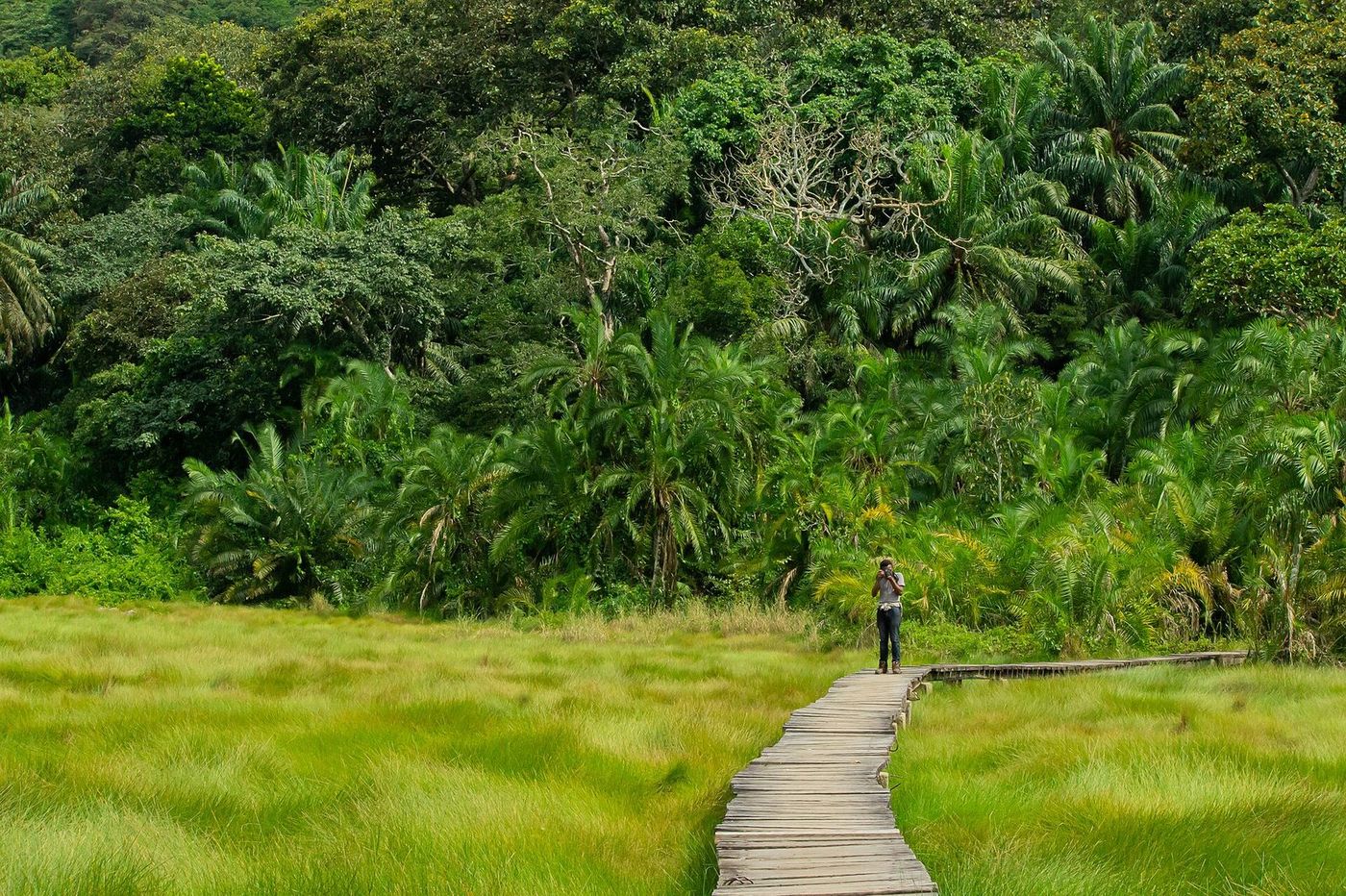
Wetter, muddier, and quieter. Trekking is still entirely possible — and the forest is genuinely beautiful in the rain — but expect slower, more strenuous walking and pack accordingly. Permit availability is noticeably easier to secure on shorter notice.
Our Honest Take
If your dates are flexible and permit availability matters more than dry trails, the shoulder months are worth serious consideration. If you’re set on June–September or December–February, the main thing that matters is booking early — particularly for habituation.