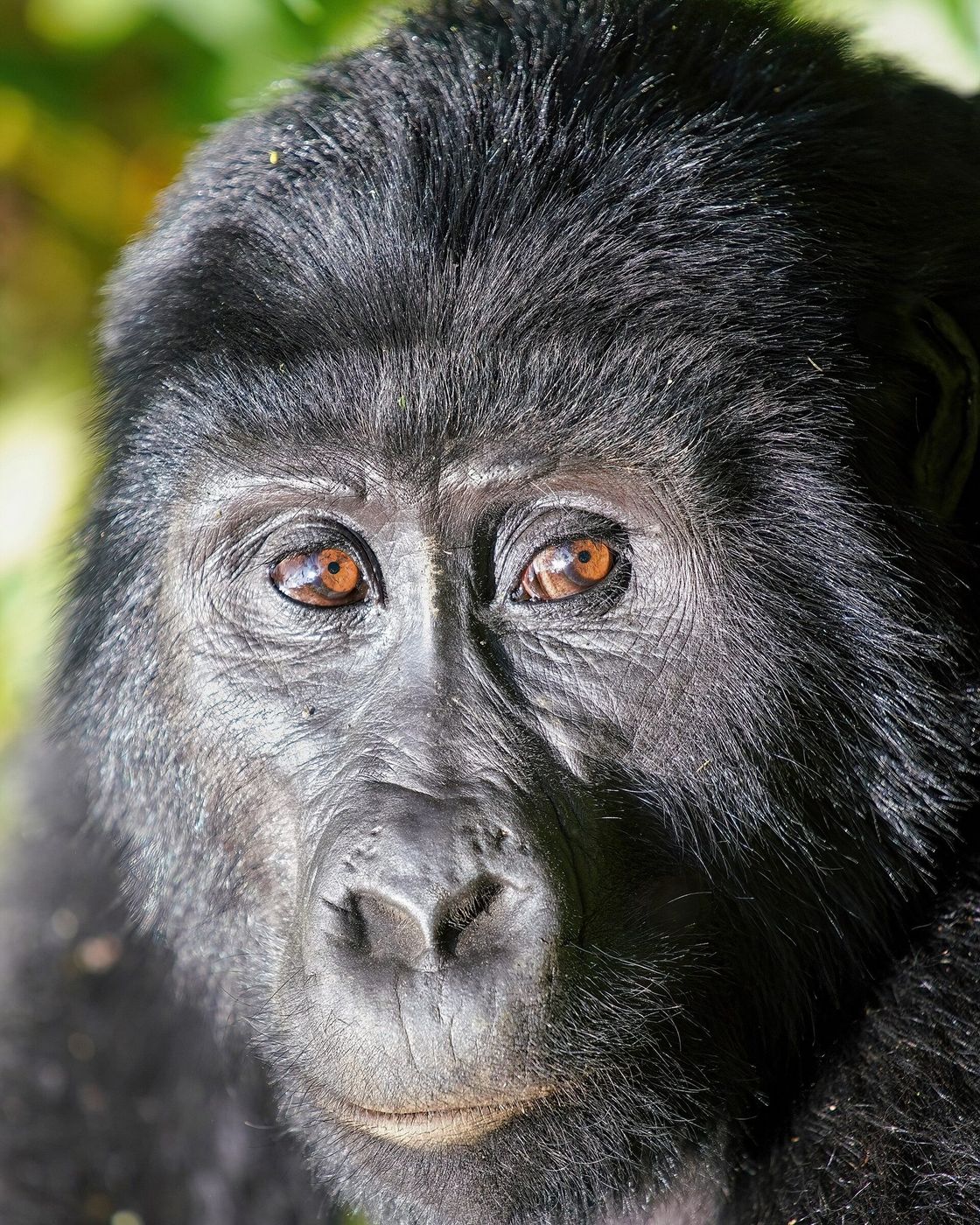
- Habituation typically takes two to three years of near-daily contact before a family opens to guests.
- Trackers read subtle behavioral cues constantly — there’s no fixed distance protocol.
- By the time you visit, the riskiest phase is already behind the family.
Before a family ever meets a tourist, a small team of trackers has usually spent years earning its trust. We asked one of our senior guides — who spent over two years on an active habituation team before moving into guiding — to walk us through what that process really looks like.
The First Months: Just Being Present
“In the beginning, you’re not trying to get close. You’re trying to become part of the background,” he explains. Early visits are short and distant — the goal is simply for the family to register the team’s presence without reacting to it as a threat.
Reading the Signs
Trackers learn to read subtle behavioral cues — a silverback’s posture, a shift in the group’s movement, vocalizations — that signal comfort or stress. “You adjust distance constantly, sometimes minute to minute. It’s not a fixed protocol, it’s a conversation.”
Individual Recognition
Over time, the team learns every member of the family individually — their personalities, relationships, and habits. This is the context our guides bring into the forest during the Habituation Experience: not just narrating what a gorilla is doing, but explaining who it is.
What Changes When Guests Join
By the time a family opens to the Habituation Experience, the riskiest phase of the process is behind them. Still, “guests are part of the picture now too. A calm, quiet visitor genuinely helps reinforce everything the team has built.”