Mountain gorillas are one of conservation’s genuine good-news stories — and one of its most fragile. Here’s the honest state of things, and how a habituation trip fits into it.
Mountain gorillas were reclassified by the IUCN from Critically Endangered to Endangered in 2018 — one of very few great ape populations moving in the right direction. The total population is estimated at just over 1,000 individuals, split between the Virunga Massif (spanning Uganda, Rwanda and DR Congo) and the Bwindi-Sarambwe ecosystem, where Bwindi Impenetrable National Park sits.
That recovery is not an accident. It’s the direct result of decades of habituation work, anti-poaching patrols, veterinary intervention, and revenue from permit-funded tourism — the same system your trip contributes to.
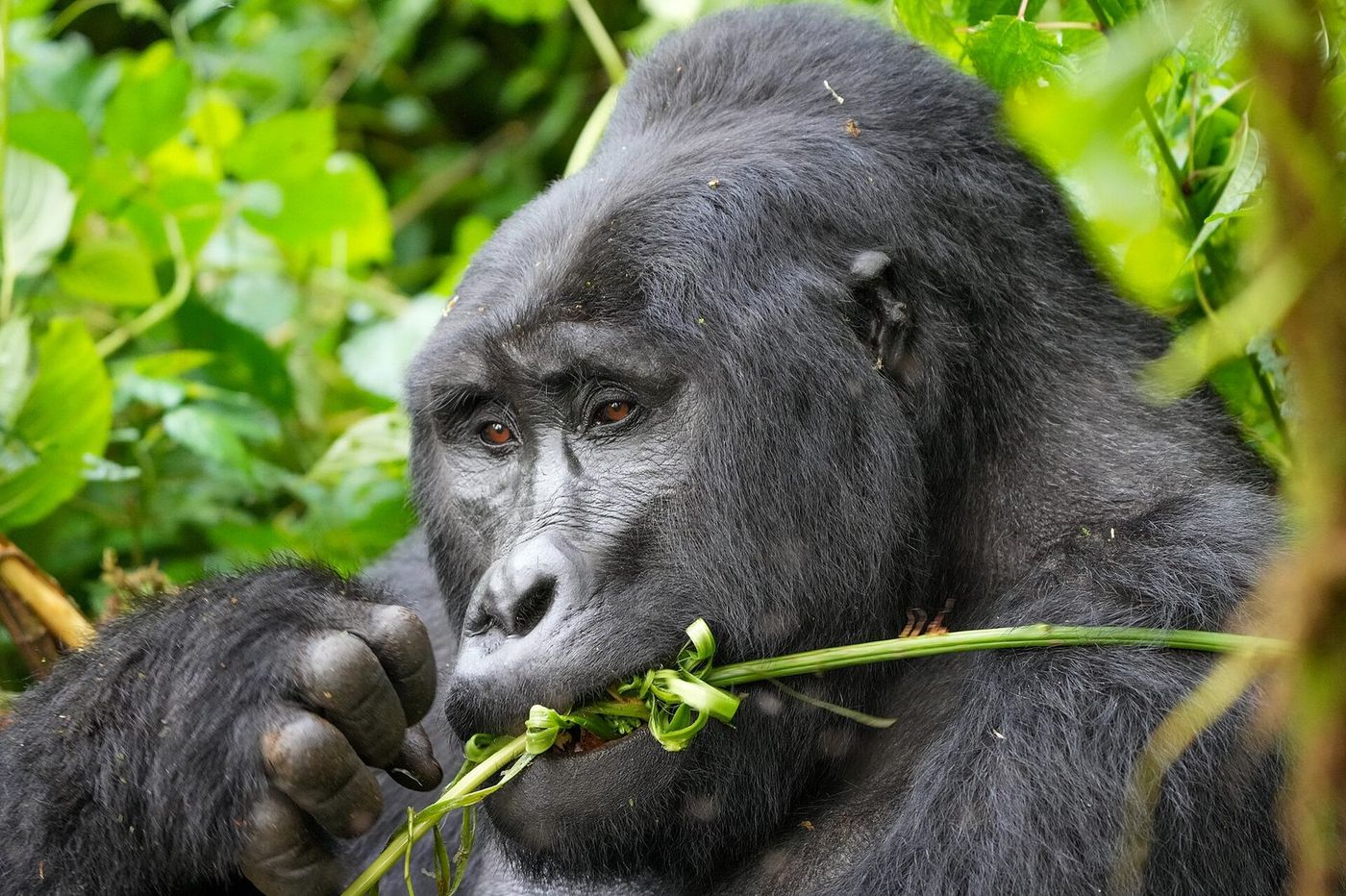
Bwindi and the Virungas are surrounded by some of the densest rural populations in Africa, putting constant pressure on forest boundaries.
Gorillas share around 98% of human DNA and are susceptible to human respiratory illnesses — the reason for distance rules, mask guidance during outbreaks, and strict no-visit policies if you’re unwell.
Wire snares set for other bushmeat species injure gorillas as bycatch. Ranger patrols removing snares are directly funded by tourism revenue.
Parts of the wider Virunga ecosystem, particularly on the DR Congo side, have experienced armed conflict that disrupts conservation work there.
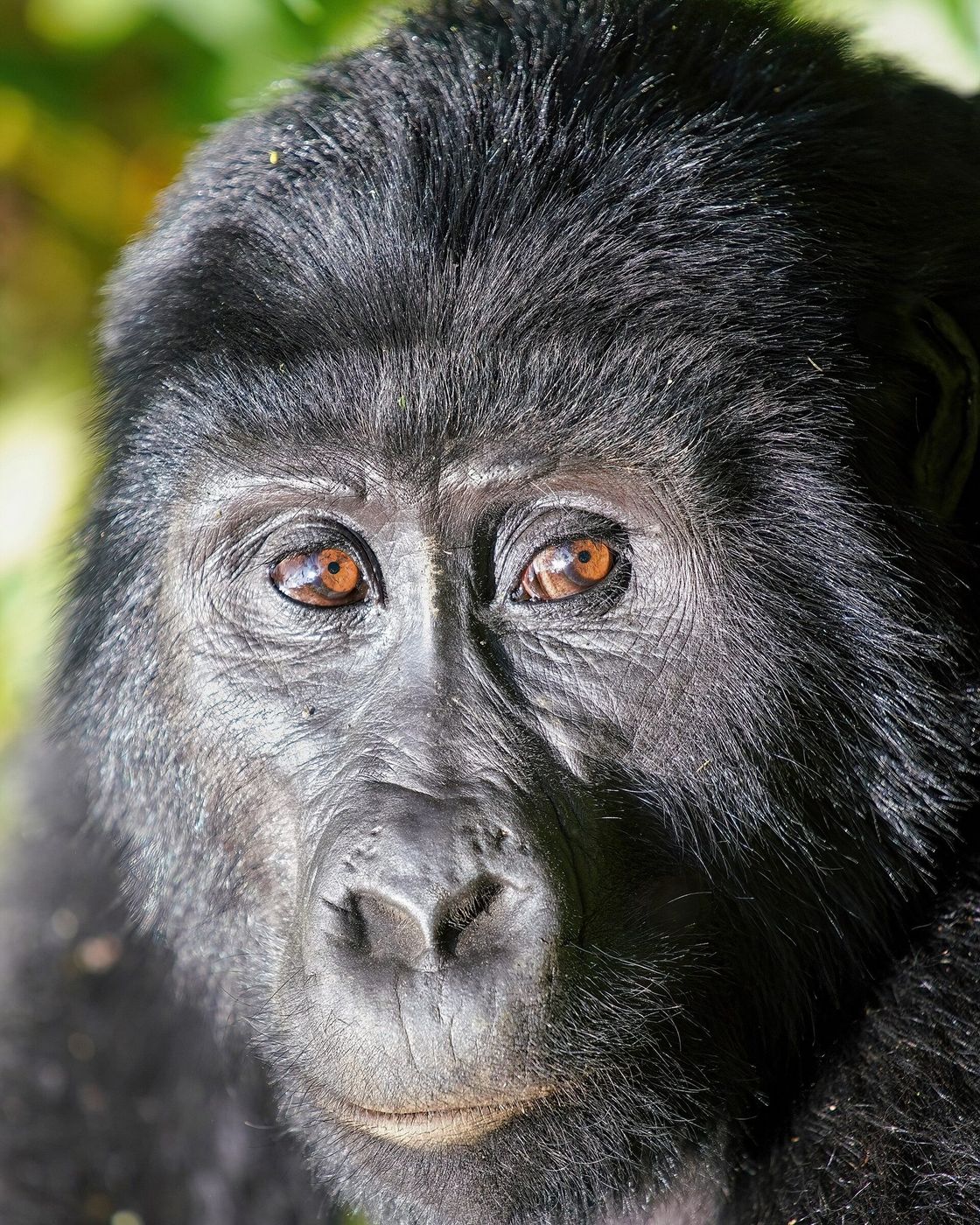
Uganda directs a share of every gorilla permit fee back into the communities bordering the park and into ranger and research salaries — the exact teams doing the habituation work this site is built around. In practice, a living gorilla seen by tourists is worth far more to the local economy over its lifetime than poaching could ever provide, which is one of the strongest incentive structures in African conservation today.
Organizations like Gorilla Doctors provide free veterinary care to wild mountain gorillas, funded substantially by tourism-linked donations, while long-term research stations — including the Institute of Tropical Forest Conservation near Ruhija — track family health and behavior year-round.
Distance rules, no-flash photography, and staying home if you’re sick aren’t bureaucracy — they’re the difference between a safe visit and a real health risk to an endangered population.
Choosing operators and lodges that employ and pay local communities directly reinforces the incentive to protect the forest rather than exploit it.
Organizations including Gorilla Doctors and the Dian Fossey Gorilla Fund accept direct donations that fund veterinary care and anti-poaching work year-round, beyond what any single trip contributes.
Each habituated family is tracked daily by dedicated trackers who log health, behavior and group composition — the same trackers you’ll walk alongside during your visit.
Field vets are on call to treat snare injuries and illness in habituated gorillas, work funded in large part by permit revenue and tourism-linked donations.
Decades of behavioral and health data from Bwindi’s habituated families feed directly into the population assessments that shaped the IUCN’s 2018 status change.
We are a tour operator, not a research or veterinary body — this is the wider system your permit fee and trip support, not work we conduct ourselves.